Start with the goal of the camera system
A business camera system should be designed around what the owner needs to see: entrances, registers, parking areas, warehouse aisles, customer areas, gates, offices or equipment rooms. Good planning prevents blind spots and avoids wasting money on cameras that do not solve the real problem.
Camera placement matters more than camera count
More cameras are not always better. A smaller number of correctly placed cameras can outperform a larger system with poor angles, glare or weak mounting locations. Height, lighting, lens angle and network path should be considered before installation.
The network supports the cameras
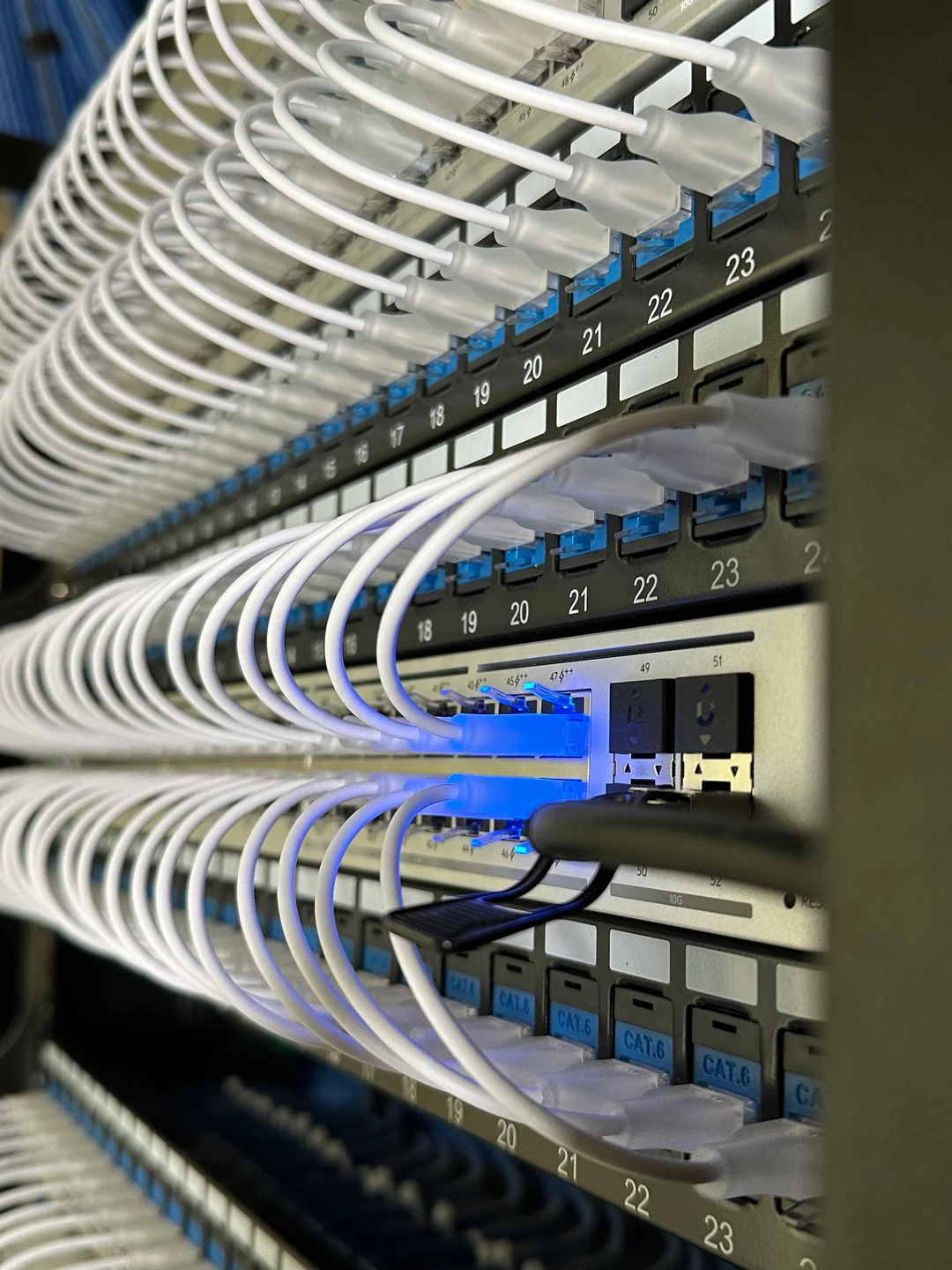
IP cameras depend on switches, cabling, PoE power, bandwidth and NVR storage. If the network is unstable, cameras may drop offline or remote viewing may become unreliable. Camera projects should include cabling, switch capacity and a clean recorder location.
Remote viewing should be secure
Remote access should be configured carefully with strong passwords, updates and proper permissions. Businesses should avoid default credentials and unknown apps. Documentation helps owners and managers understand who has access.
Plan storage and support
NVR storage should match how long the business needs to keep recordings. Restaurants, offices, warehouses and retail stores may have different needs. Trinity Systems helps businesses plan camera placement, cabling, network reliability and remote viewing together.
Explore our security camera installation and network cabling services.